

Posted on: 05/10/26 at 12:00
EN 397:2025 EXPLAINED
Significant changes have been made to the Industrial Protective Helmet Standard EN 397. Here is a summary of the key differences between the old and new standard.
1. Two Helmet CategoriesThe revised EN 397:2025 standard introduces a classification system with two tiers: Type 1 & Type 2
Type 1 applies to traditional industrial helmets that are currently certified to
EN 397:2012. These helmets protect from impacts to the top (crown) of the head.
Type 2 applies to helmets designed for working at height. These helmets protect from on-crown and off-crown impacts. This classification will apply to helmets currently certified to EN 12492, which will become EN 397 Type 2 instead.
This change addresses a gap in the previous standards, as there was no dedicated industrial helmet standard for working at height.
2. Chinstrap Release Requirements
EN 397:2012 required all chinstraps to have a release force of 150-250 N. The new standard has different requirements for the two tiers.
Type 1 helmets are required to release above 150 N.
Type 2 helmets must withstand a force of 500 N without releasing. Chinstraps are mandatory for Type 2 helmets.
3. Tested Together
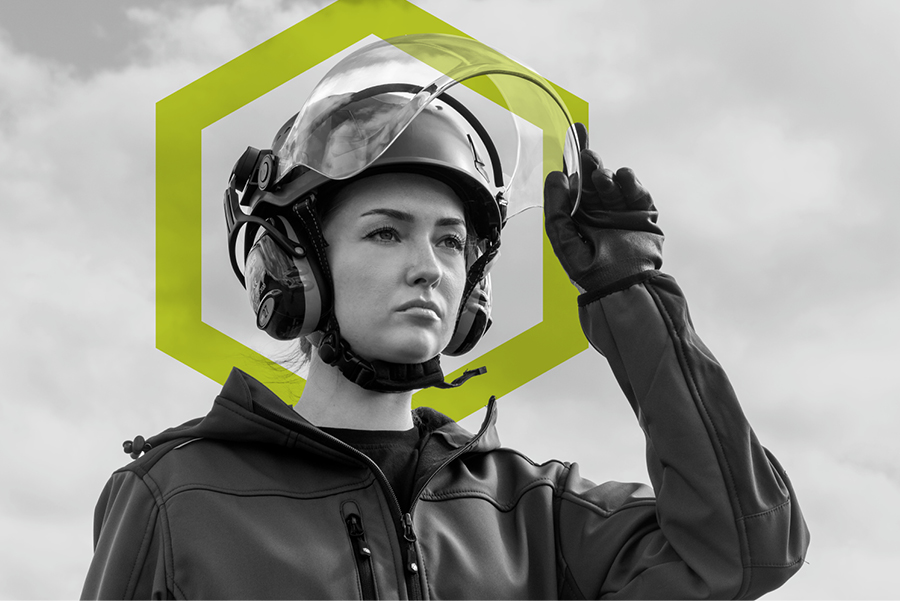
Additional helmet accessories such as Visors, Ear Defenders and Headlamps must now be tested against EN 397:2025. This means the combined helmet and accessory are fully certified, and protection is not compromised when used together.
4. Ignition Test
The flammability test from EN 397:2012 has been replaced with a 650°C heated-rod ignition test. This new test better represents real-world hazards such as sparks.
5. Electrical Insulation Requirements
Previously, EN 397:2012 included an optional test for electrical resistance up to 440V alternating current for non-vented helmets. With EN 397:2025, Electrical insulation is now covered under EN 50365:2023 instead.
6. Lateral Deformation
The lateral deformation test is no longer included under EN 397:2025.
7. Next Steps
Any safety helmets currently certified to EN 397:2012 will be reassessed as
EN 397:2025 Type 1.
Any safety helmets currently certified to EN 12492 will be reassessed as
EN 397:2025 Type 2.
Helmets currently certified to EN 397:2012 can be sold until the CE/UKCA certificate expires.
View our full range of EN 397:2025 certified helmets.


